
Section 138 NI Act: Litigation Strategy in Cheque Dishonour Cases

Cheque dishonour litigation under Section 138 of the Negotiable Instruments Act continues to dominate criminal dockets. Procedural Rigour Courts have emphasised strict compliance with statutory requirements, including issuance of legal notice and adherence to limitation periods. Presumptions and Defence The statutory presumption in favour of the holder shifts the evidentiary burden onto the accused, making…
Arbitration in India: The Path to Institutional Credibility

India’s aspiration to emerge as a global arbitration hub has led to significant legislative and institutional developments, including the strengthening of bodies such as the Delhi International Arbitration Centre. Yet, the journey from aspiration to realisation remains incomplete. Legislative Evolution Amendments to the Arbitration and Conciliation Act have sought to minimise judicial interference and promote…
The Insolvency and Bankruptcy Code: Between Timelines and Reality

The Insolvency and Bankruptcy Code, 2016 (“IBC”) was conceived as a time-bound mechanism for resolving financial distress. Nearly a decade into its implementation, the Code stands at an inflection point—its foundational objectives remain intact, but its execution reveals structural strain. The Promise of Time-Bound Resolution The IBC introduced strict timelines for the Corporate Insolvency Resolution…
Reimagining Evidence Law: The Digital Turn under the BSA
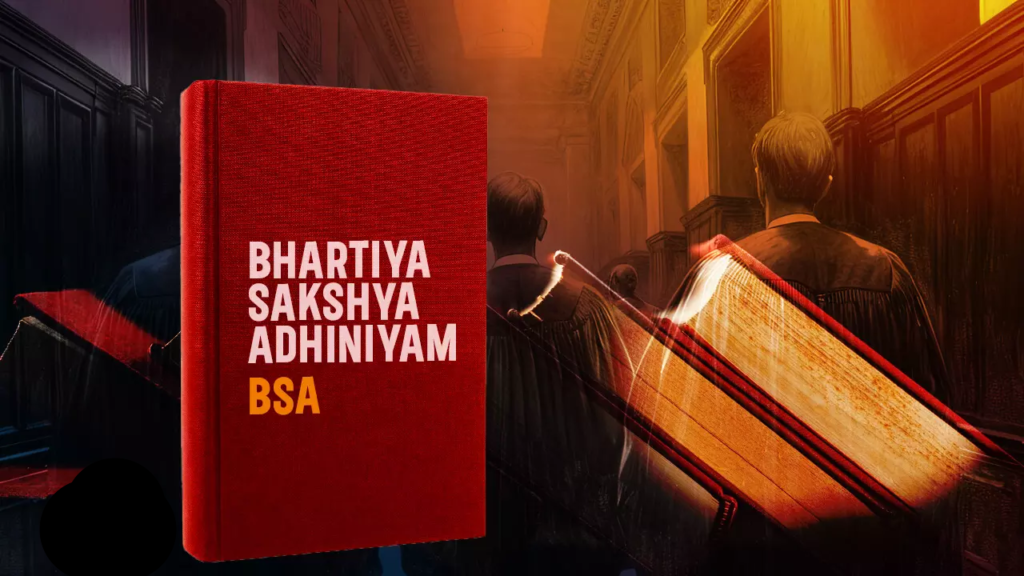
The enactment of the Bharatiya Sakshya Adhiniyam (“BSA”) represents a decisive shift in India’s evidentiary framework, replacing the Indian Evidence Act, 1872. While the predecessor statute had demonstrated remarkable resilience, its structure was increasingly strained by the exponential growth of digital transactions and electronic records. The BSA, in this context, is less a departure from…
Re-engineering Criminal Procedure: An Analysis of the BNSS Framework

The enactment of the Bharatiya Nagarik Suraksha Sanhita (“BNSS”) signals a systemic attempt to modernise India’s criminal procedural framework. Replacing the Code of Criminal Procedure, 1973 (“CrPC”), the BNSS seeks to address longstanding concerns relating to delay, inefficiency, and procedural rigidity. However, procedural reform in criminal law is inherently delicate. It requires a careful balancing…
From IPC to BNS: A Structural Recasting of India’s Criminal Law Architecture

The coming into force of the Bharatiya Nyaya Sanhita (“BNS”) marks the most significant legislative overhaul in India’s criminal law landscape since independence. Positioned as a decisive move away from colonial legal architecture, the BNS seeks to recalibrate substantive criminal law in a manner that is contemporaneously relevant, technologically aligned, and ostensibly victim-centric. However, beneath…